All Categories
Featured

The 8-Second Trick For Understanding Different When Bankruptcy Counseling Suggests Debt Management or Forgiveness Instead You Should Know About
Table of Contents
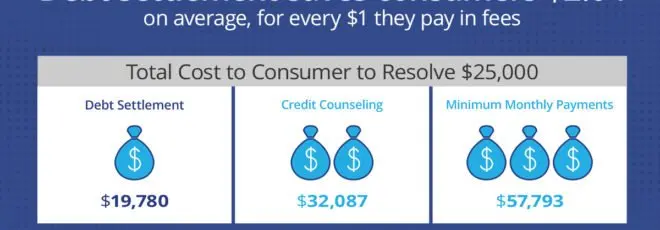
That maximizes cash in the short-term, and you might have three to 4 years to conserve toward the negotiation amount. Really dangerous to credit rating, largely because of missed settlements and a negative "worked out" mark that might remain on your credit rating report for approximately 7 yearsMay be only option if various other choices (financial debt consolidation, balance transfer bank card, financial obligation forgiveness) aren't possibleTypically calls for a charge to the 3rd event, which might balance out some or every one of the savings from financial obligation settlementMay help you prevent personal bankruptcy if you have actually missed out on a number of paymentsNot all creditors collaborate with financial debt negotiation firms Financial obligation forgiveness might be right for you if you are experiencing a financial difficulty that makes it nearly impossible to pay down your debt balances.
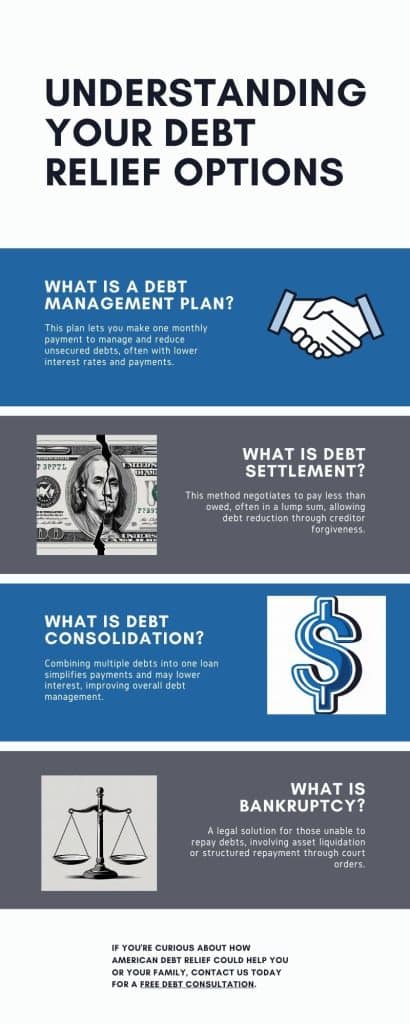
With a DMP, you make one regular monthly repayment to the credit score therapy firm. Those funds are after that dispersed to creditors of your unsecured financial obligations, such as credit score cards and installment lendings. The company deals with your creditors to lower interest rates or forgo fees, but some lenders may refuse such giving ins.
It can help you pay down debt if you're able to secure a funding price that's reduced than the ordinary price of the accounts you're consolidating. You must abstain from racking up financial obligation on those freshly removed accounts or your financial debt might expand even greater.
That provides you plenty of time to remove or substantially decrease your equilibrium while making interest-free repayments.
Regional Initiatives for Financial Assistance Fundamentals Explained
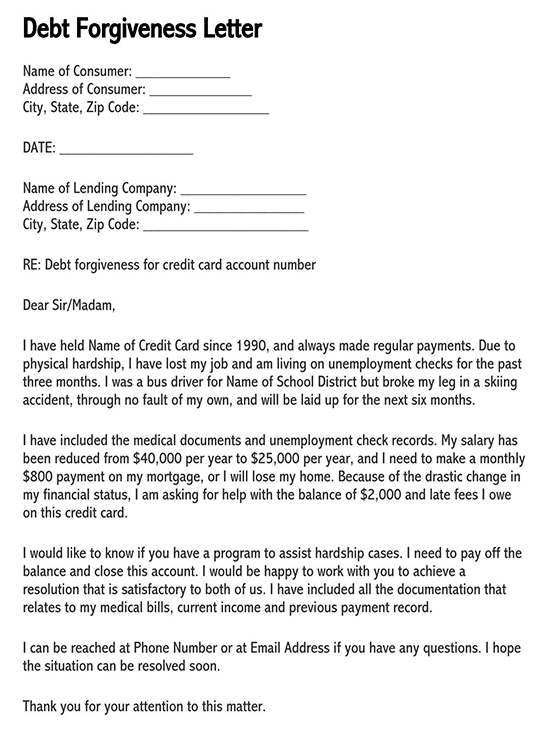
You may require it if your creditor or a collection company ever tries to collect on the debt in the future. When a lender forgives $600 or even more, they are needed to send you Kind 1099-C.
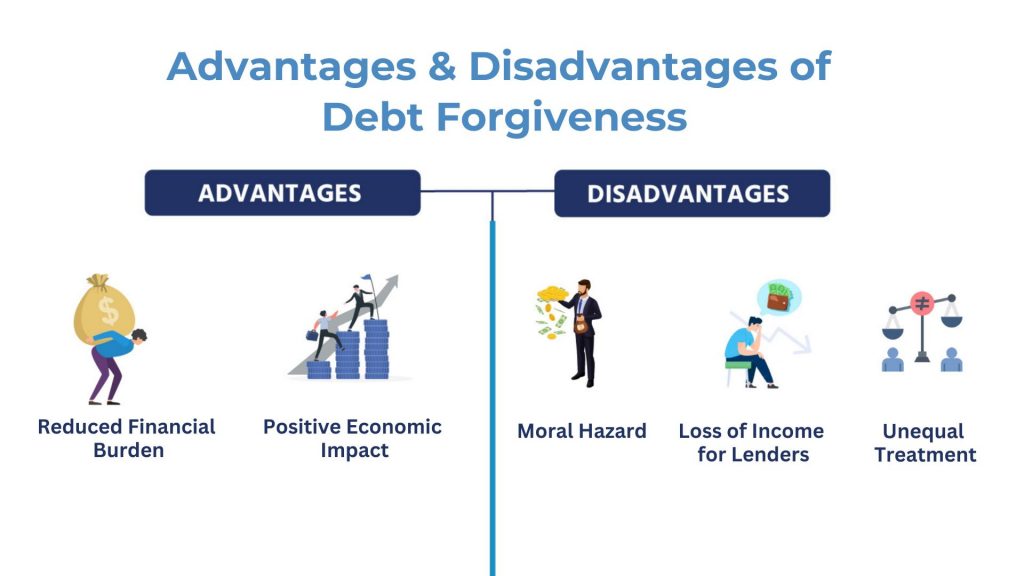
Financial debt forgiveness or settlement usually harms your credit score. Anytime you work out a financial obligation for less than you owe, it may look like "worked out" on your credit rating report and impact your credit history for 7 years from the date of settlement. Your credit score can also drop significantly in the months bring about the forgiveness if you drop behind on payments.
Fascination About Measures You Can Take Following Bankruptcy
Tax obligation debt compromise programs Tax financial debt happens when the amount of tax obligations you owe exceeds what you have paid. This situation frequently arises from underreporting earnings, not submitting returns promptly, or discrepancies located during an IRS audit. The effects of accumulating tax obligation financial obligation are significant and can consist of tax obligation liens, which offer the IRS a legal claim to your property as safety and security for the debt.
Wages and Financial institution Accounts Internal revenue service can levy (seize) earnings and bank accounts to satisfy the debt. Home Seizure In extreme cases, the IRS can confiscate and offer residential or commercial property to cover the financial obligation.
Social Stigma Facing legal action from the Internal revenue service can lug social preconception. Work Opportunities A bad credit history rating due to tire financial debt can limit employment opportunities. Federal government Advantages Tax obligation debt might influence eligibility for government benefits, such as Social Protection and Medicaid.
The 10-Minute Rule for Documents to Gather for Bankruptcy Counseling
The OIC thinks about numerous aspects, consisting of the taxpayer's income, expenses, property equity, and ability to pay. Efficiently discussing an OIC can be intricate, calling for a comprehensive understanding of the IRS's standards and a solid disagreement for why your deal lines up with your capability to pay. It is very important to keep in mind that not all applications are accepted, and the process calls for thorough monetary disclosure.
The internal revenue service examines your general monetary circumstance, including your income, expenses, possession equity, and ability to pay. You have to also be existing with all declaring and settlement needs and not be in an open insolvency case. The IRS also considers your compliance background, reviewing whether you have a document of timely declaring and paying taxes in previous years.
Not known Details About True Testimonials of When Bankruptcy Counseling Suggests Debt Management or Forgiveness Instead Users
The application procedure for an Offer in Compromise involves a number of thorough steps. Initially, you have to finish and send internal revenue service Kind 656, the Offer in Compromise application, and Form 433-A (OIC), a collection info declaration for people. These forms need extensive economic details, consisting of information about your income, financial obligations, expenses, and possessions.
Back tax obligations, which are overdue tax obligations from previous years, can dramatically raise your total IRS financial obligation if not dealt with immediately. This financial debt can build up passion and late repayment charges, making the initial amount owed a lot bigger gradually. Failing to pay back taxes can result in the IRS taking enforcement actions, such as issuing a tax lien or levy versus your property.
It is necessary to address back tax obligations asap, either by paying the total owed or by preparing a settlement plan with the internal revenue service. By taking positive steps, you can stay clear of the build-up of additional rate of interest and charges, and avoid much more aggressive collection actions by the IRS.
One usual factor is the belief that the taxpayer can pay the total either as a round figure or through a repayment plan. The IRS also thinks about the taxpayer's revenue, expenses, asset equity, and future earning potential. If these elements suggest that the taxpayer can manage to pay even more than the offered quantity, the internal revenue service is likely to turn down the offer.
The How to Take Action Now Statements
Dealing with IRS financial obligation can be complex and complicated. Tax specialists, such as Certified public accountants, tax attorneys, or signed up representatives, can offer very useful help.

Table of Contents
Latest Posts
About Starting Consultation with a Counselor

The 5-Minute Rule for Questions You Must Ask Prior to Committing
The Main Principles Of Lasting Effects of Your Credit History
More
Latest Posts
About Starting Consultation with a Counselor
The 5-Minute Rule for Questions You Must Ask Prior to Committing
The Main Principles Of Lasting Effects of Your Credit History