All Categories
Featured
The Greatest Guide To Warning Signs When Selecting Debt Relief Services
Table of Contents
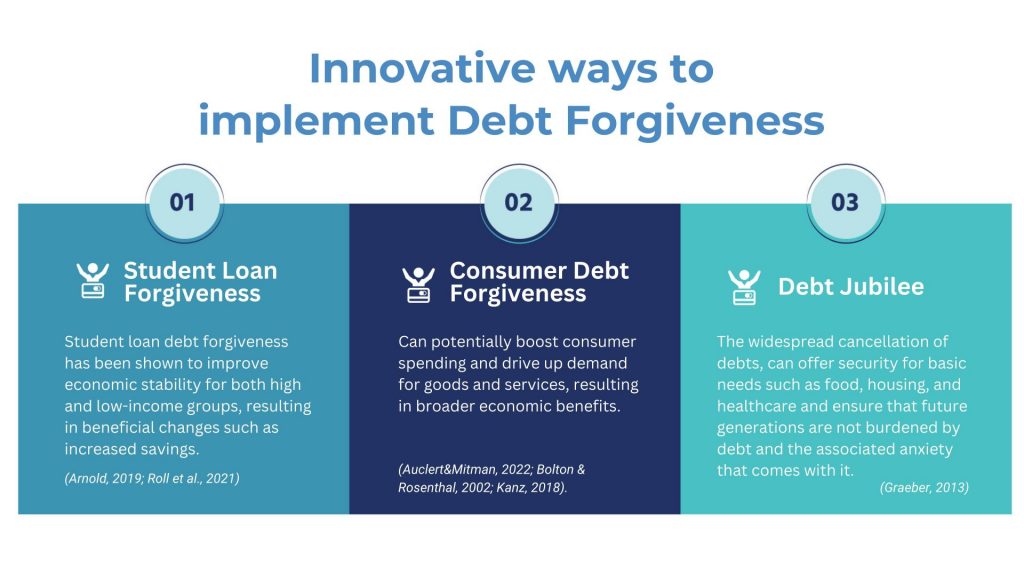
That maximizes cash in the brief term, and you may have three to four years to save toward the negotiation quantity. Extremely hazardous to credit history, largely due to missed settlements and an unfavorable "resolved" mark that could stay on your credit history record for as much as seven yearsMay be only option if other alternatives (financial obligation combination, balance transfer charge card, debt forgiveness) aren't possibleTypically requires a fee to the third party, which can balance out some or all of the financial savings from financial obligation settlementMay assist you stay clear of insolvency if you have actually missed a number of paymentsNot all lenders collaborate with financial debt settlement firms Debt mercy might be appropriate for you if you are experiencing an economic hardship that makes it nearly difficult to pay down your financial debt equilibriums.
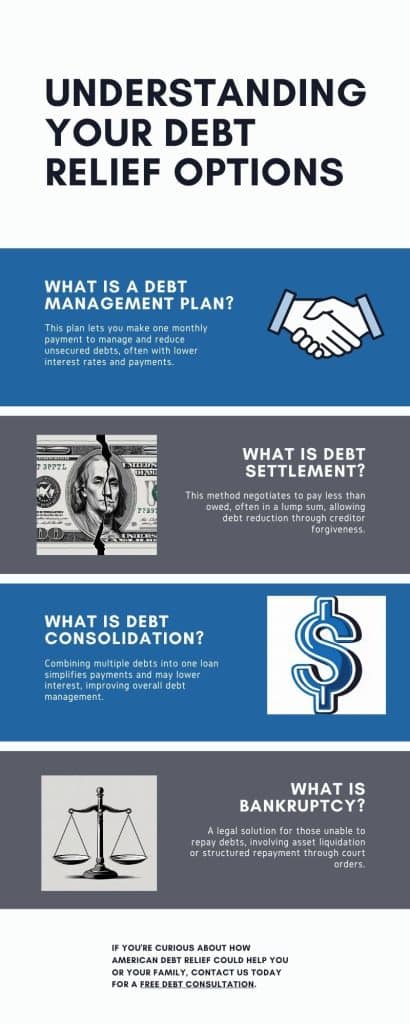
With a DMP, you make one monthly settlement to the credit counseling agency. Those funds are after that dispersed to lenders of your unprotected financial obligations, such as charge card and installment lendings. The agency collaborates with your financial institutions to minimize rates of interest or waive costs, however some lenders may reject such concessions.
A debt combination car loan combines your eligible financial debts right into one brand-new loan. It can assist you pay for financial debt if you're able to safeguard a car loan price that's lower than the average rate of the accounts you're consolidating. You must refrain from racking up financial obligation on those freshly cleared accounts or your debt could grow also greater.

That gives you lots of time to remove or considerably lower your balance while making interest-free settlements.
How Developing a Healthy Spending Strategy That Protects You can Save You Time, Stress, and Money.
You may need it if your creditor or a collection company ever tries to gather on the financial obligation in the future. When a lender forgives $600 or even more, they are required to send you Kind 1099-C.
Financial debt mercy or settlement generally injures your credit score. Anytime you work out a financial obligation for less than you owe, it might appear as "cleared up" on your credit rating report and impact your credit rating for seven years from the day of negotiation. Your credit rating can additionally go down considerably in the months causing the mercy if you fall behind on repayments.
How Tools Offered for Anyone's Integrating Financial Wellness into Everyday Life: A Path to Peace and Prosperity : APFSC Journey can Save You Time, Stress, and Money.
This scenario often results from underreporting earnings, not filing returns on time, or discrepancies discovered throughout an IRS audit. The repercussions of gathering tax financial debt are serious and can include tax liens, which provide the IRS a lawful case to your property as protection for the financial obligation.
Earnings and Bank Accounts IRS can levy (take) salaries and financial institution accounts to please the debt. Building Seizure In extreme cases, the Internal revenue service can take and sell building to cover the debt.
Clinical depression, anxiousness, and other psychological wellness issues. Social Preconception Encountering lawsuit from the IRS can lug social stigma. Damages to online reputation and connections. Work Opportunities An inadequate credit report because of tax debt can limit job opportunity. Difficulty searching for or maintaining a task. Government Benefits Tax obligation debt may affect eligibility for government benefits, such as Social Safety And Security and Medicaid.
What to Watch For When Researching a Bankruptcy Provider for Beginners
The OIC takes into consideration numerous aspects, including the taxpayer's earnings, expenses, possession equity, and ability to pay. Effectively bargaining an OIC can be intricate, calling for a comprehensive understanding of the internal revenue service's standards and a solid argument for why your deal straightens with your capacity to pay. It is essential to note that not all applications are accepted, and the procedure needs thorough financial disclosure.
The IRS analyzes your total economic circumstance, including your revenue, costs, asset equity, and ability to pay. You have to likewise be existing with all filing and repayment requirements and not remain in an open insolvency case. The internal revenue service also considers your compliance history, examining whether you have a record of prompt declaring and paying taxes in previous years.
Not known Facts About Initial Assessment with a Counselor
The application procedure for a Deal in Concession includes several detailed actions. Initially, you should finish and send internal revenue service Type 656, the Offer in Compromise application, and Type 433-A (OIC), a collection info declaration for individuals. These forms require comprehensive economic details, consisting of information concerning your income, debts, costs, and assets.
Back tax obligations, which are unsettled taxes from previous years, can considerably enhance your total internal revenue service financial obligation otherwise dealt with without delay. This financial debt can build up passion and late repayment penalties, making the initial quantity owed a lot bigger gradually. Failure to repay taxes can lead to the internal revenue service taking enforcement activities, such as providing a tax obligation lien or levy against your building.
It is essential to resolve back tax obligations as soon as feasible, either by paying the sum total owed or by arranging a layaway plan with the internal revenue service. By taking proactive steps, you can avoid the build-up of added passion and charges, and stop more aggressive collection actions by the IRS.
One typical factor is the belief that the taxpayer can pay the total either as a round figure or through a settlement strategy. The internal revenue service also considers the taxpayer's revenue, costs, possession equity, and future earning potential. If these aspects suggest that the taxpayer can afford to pay greater than the used amount, the internal revenue service is likely to deny the offer.
The 20-Second Trick For Your Introduction to Debt Counseling with a Counselor
It is important to provide exact and full details in your application and to consult with a tax obligation specialist to improve the chances of approval. Taking care of IRS financial obligation can be complicated and difficult. Tax obligation professionals, such as Certified public accountants, tax obligation attorneys, or enrolled representatives, can provide invaluable assistance. They have the expertise to navigate the intricacies of tax legislation and internal revenue service treatments.

Table of Contents
Latest Posts
About Starting Consultation with a Counselor

The 5-Minute Rule for Questions You Must Ask Prior to Committing
The Main Principles Of Lasting Effects of Your Credit History
More
Latest Posts
About Starting Consultation with a Counselor
The 5-Minute Rule for Questions You Must Ask Prior to Committing
The Main Principles Of Lasting Effects of Your Credit History